
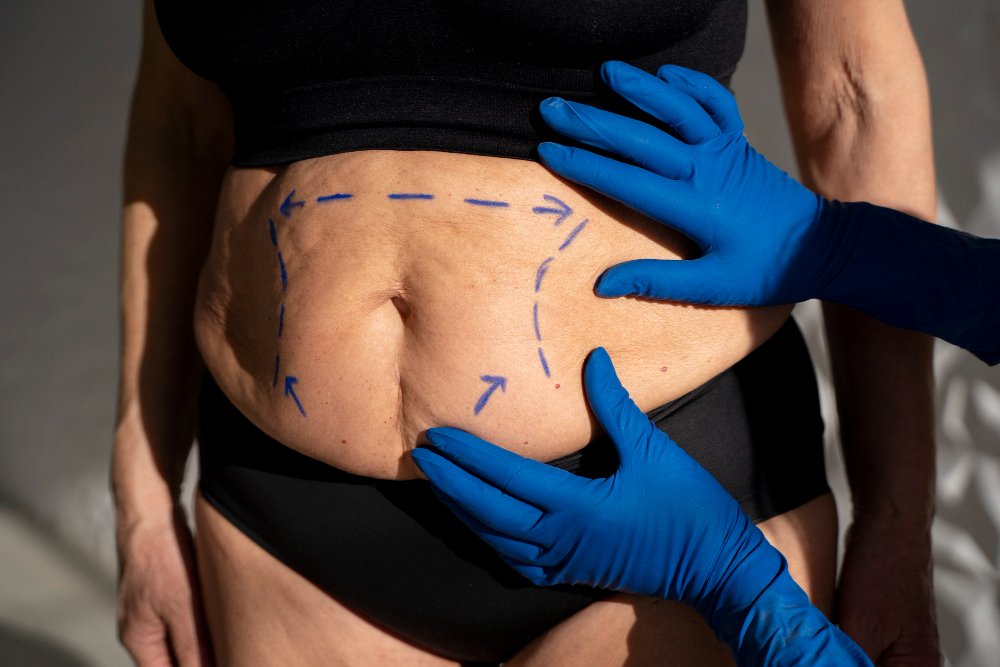
Liposuction is often associated with removing unwanted fat, but successful liposuction involves much more than the surgical procedure itself. Proper preparation, realistic expectations and appropriate aftercare all play an important role in achieving a safe and satisfactory body-contouring result.
Many patients who consider liposuction want to understand what they should do before surgery, what recovery will feel like and how they can maintain their results afterwards. These are important questions to discuss during a consultation with a qualified plastic surgeon.
Before Liposuction: Preparing for Your Surgery
Preparation begins well before the day of surgery. During the consultation, I assess your overall health, body composition, skin quality, areas of concern and expectations. This helps determine whether liposuction is appropriate and allows an individual treatment plan to be developed.
Before surgery, patients should provide complete information about:
- Existing medical conditions
- Previous surgeries
- Current medications
- Vitamins and supplements
- Allergies
- Smoking or tobacco use
- Previous experiences with anaesthesia
Depending on your medical history and the planned procedure, certain examinations or investigations may be recommended.
Patients should also follow all preoperative instructions carefully. If any medication needs to be stopped or adjusted, this should only be done under medical guidance.
Why Your Lifestyle Before Surgery Matters
Liposuction is not a replacement for a healthy lifestyle. Ideally, patients should approach surgery with reasonably stable body weight and healthy habits.
Maintaining a balanced diet, staying physically active and avoiding smoking can support overall health and recovery.
It is also useful to plan ahead for the recovery period. Depending on the extent of surgery and the nature of your work, you may need to take time off and arrange help with certain daily activities during the initial recovery period.
What Happens on the Day of Liposuction?
The surgical plan depends on the areas being treated and the amount of contouring required.
After the appropriate anaesthesia is administered, small incisions are made in carefully selected locations. A thin surgical tube called a cannula is then used to remove unwanted fat from the planned areas.
The objective is controlled fat removal rather than simply removing the maximum possible amount of fat. Careful surgical planning helps create a contour that is appropriate for the individual’s body structure.
The duration of surgery varies from patient to patient depending on the number and size of areas being treated.
What Can You Expect Immediately After Surgery?
It is normal to experience some swelling, bruising, soreness or tightness after liposuction.
The appearance immediately after surgery should not be considered the final result. The tissues need time to heal, and swelling gradually reduces during recovery.
Depending on the procedure, a compression garment may be recommended. It should be worn according to the instructions provided by your surgical team.
Your postoperative instructions may also include guidance regarding wound care, bathing, medication, activity and follow-up appointments.
The First Few Days After Liposuction
The first few days are generally focused on rest, recovery and following postoperative instructions.
Light movement may be encouraged as appropriate, while strenuous activity should be avoided until you are medically cleared.
You may notice that swelling and bruising are more prominent during the early part of recovery. This does not necessarily indicate that something is wrong.
However, patients should contact their surgical team if they develop unusual or worsening symptoms or have concerns during recovery.
Returning to Work and Exercise
Recovery time varies depending on the extent of liposuction, the areas treated and the type of work you do.
Patients with less physically demanding jobs may be able to return to work relatively soon, while physically demanding occupations may require more recovery time.
Exercise should be restarted gradually and only after receiving appropriate medical advice. Returning to strenuous exercise too quickly can interfere with the recovery process.
Your recovery should be guided by your individual surgical plan rather than by someone else’s timeline.
When Will the Swelling Go Down?
Swelling is one of the most common parts of liposuction recovery.
As healing progresses, the swelling gradually settles and the body contour becomes more defined. However, the rate at which this happens differs between individuals.
Some areas may remain firm or swollen for a period of time before gradually softening.
For this reason, I advise patients to be patient with the healing process rather than judging their outcome during the first few weeks.
When Can You See the Final Result?
Liposuction results develop progressively.
You may notice an improvement in your body contour as swelling decreases, but the final appearance can take several weeks to months to become fully established.
The healing process is influenced by factors such as the extent of treatment, individual healing response, skin characteristics and adherence to postoperative instructions.
Regular follow-up allows your progress to be monitored and any concerns to be addressed appropriately.
Can Liposuction Results Last?
Liposuction permanently removes fat cells from the treated area. However, it does not prevent future weight gain.
The remaining fat cells can enlarge if there is significant weight gain after surgery. Changes in body weight can therefore affect the overall contour achieved through liposuction.
This is why maintaining a stable and healthy weight is an important part of preserving your results.
How to Maintain Your Results After Liposuction
Liposuction should be viewed as part of a long-term approach to body contouring rather than a one-time solution for weight management.
Once you have recovered and received clearance for normal physical activity, maintaining regular exercise and healthy eating habits can help support your results.
I generally encourage patients to focus on sustainable lifestyle habits rather than restrictive diets.
Maintaining your results involves:
- Keeping your body weight stable
- Following a balanced diet
- Staying physically active
- Avoiding smoking
- Maintaining adequate hydration
- Following postoperative and follow-up recommendations
What If Your Weight Changes After Liposuction?
Small fluctuations in weight are normal. However, significant weight gain can change the appearance of the treated and untreated areas.
Because liposuction addresses specific areas rather than the entire body, substantial changes in body weight can affect your overall proportions.
If you are planning significant weight loss or have recently experienced major weight changes, it is important to discuss this with your plastic surgeon before considering liposuction.
Why Follow-Up Care Is Important
Surgery does not end when the procedure is completed. Follow-up care is an important part of the treatment process.
During follow-up appointments, healing can be assessed and postoperative instructions can be adjusted according to your progress.
Every patient heals differently, so personalised follow-up is preferable to following generic recovery timelines found online.
Final Thoughts
Liposuction can help improve body contours in appropriately selected patients, but the quality of the outcome depends on more than fat removal alone.
Proper preparation, careful surgical planning, appropriate recovery and long-term lifestyle habits all contribute to achieving and maintaining a satisfactory result.
If you are considering liposuction, the first step should be an individual consultation. During the consultation, we can discuss your concerns, assess your body contours and determine whether liposuction is suitable for your goals.
Dr. Bharath S P
Senior Consultant – Cosmetic & Plastic Surgery
Bangalore
This article is intended for general educational purposes and does not replace an individual medical consultation. The suitability of liposuction and the appropriate surgical approach can only be determined after a proper evaluation by a qualified plastic surgeon.