
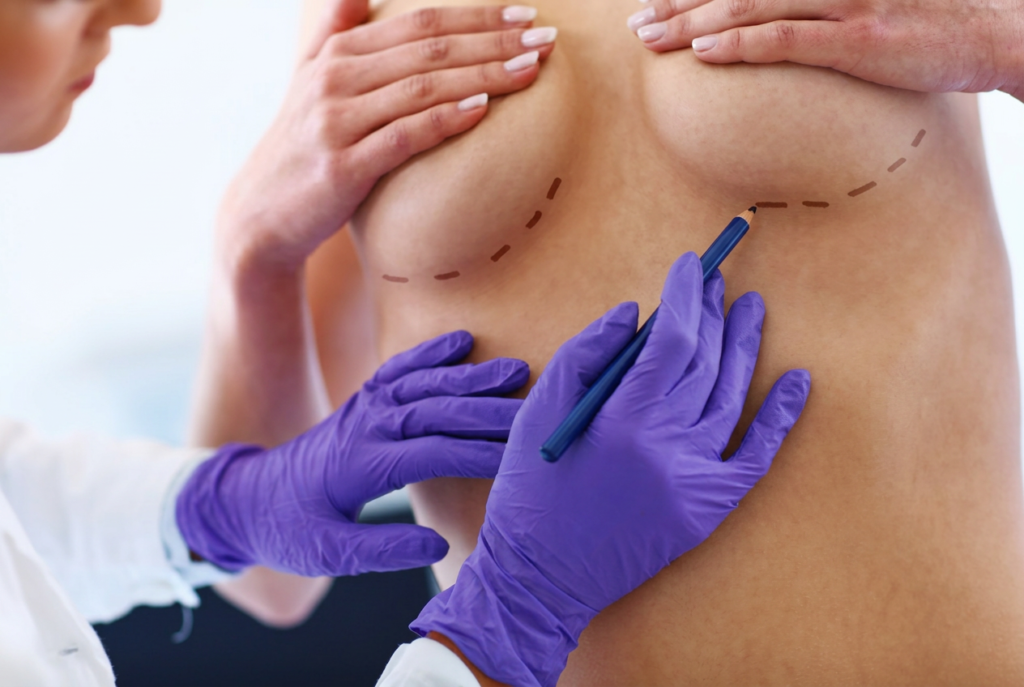
Cosmetic Breast Surgery: Understanding Your Options, Benefits and What to Expect
Cosmetic breast surgery is a personal decision, and the reasons for considering it can be different for every woman. Some women may wish to improve breast volume or shape, while others may want to address changes that occur after pregnancy, breastfeeding, ageing or significant weight fluctuations.
In my practice, I believe cosmetic breast surgery should begin with understanding the patient’s concerns, expectations and individual anatomy. The goal is not to create a particular standard of appearance, but to select an appropriate surgical approach based on what is suitable for each patient.
In this article, I will explain the commonly performed cosmetic breast surgery procedures, who may consider them and what you should understand before making a decision.
What Is Cosmetic Breast Surgery?
Cosmetic breast surgery includes procedures designed to improve the size, shape, position or overall appearance of the breasts.
Commonly performed procedures include:
- Breast augmentation
- Breast reduction
- Breast lift (mastopexy)
- Breast implant revision
Although these procedures all involve the breasts, their purposes are different. Choosing the right procedure requires an assessment of your breast anatomy, skin quality, existing breast tissue and personal goals.

Breast Augmentation
Breast augmentation is performed to increase breast volume and improve breast proportion.
Some women naturally have less breast volume, while others may notice a reduction in breast fullness following pregnancy, breastfeeding or significant weight changes.
Autologous Fat Grafting
Autologous fat grafting, also known as fat transfer, is an option for breast augmentation in selected patients. In this approach, fat is harvested from another area of the patient’s own body and carefully processed before being transferred to the breasts.
One of the potential advantages of using the patient’s own fat is that it does not involve placing an artificial implant. It can also allow the surgeon to improve breast volume and contour while addressing areas where excess fat is present.
However, fat grafting is not suitable for every patient. The amount of available donor fat, existing breast tissue, skin quality and the desired increase in breast volume all need to be considered.
Some of the transferred fat may be naturally reabsorbed by the body, and the final result can therefore vary between individuals. In selected cases, more than one procedure may be considered depending on the desired outcome.

Breast Implants
Breast implants remain another option for breast augmentation in appropriately selected patients. Implants are available in different shapes and sizes, and their placement can be planned according to the patient’s breast tissue, chest anatomy and desired outcome.
In selected patients, a dual-plane approach may be considered. In this technique, the implant is positioned partly beneath the pectoral muscle and partly beneath the breast tissue. This can help provide a smoother transition in the upper part of the breast in appropriately selected patients.
The choice between fat grafting, implants or another approach should be based on individual anatomy, expectations and the amount of volume desired rather than following a single approach for every patient.
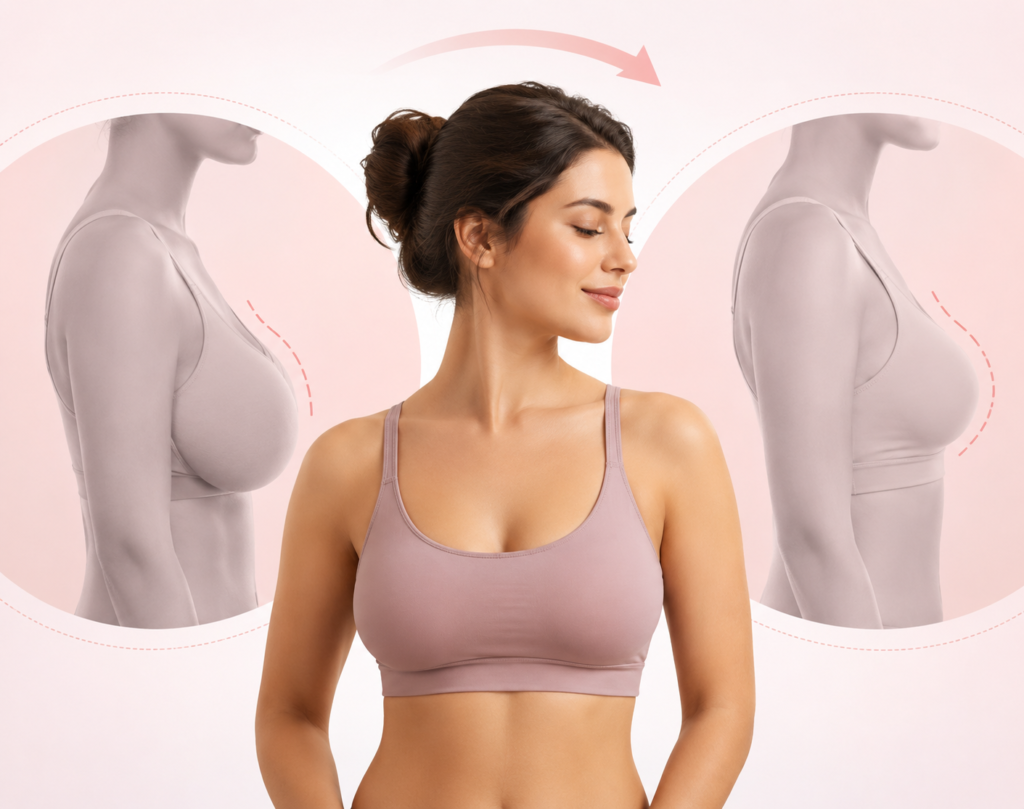
Breast Reduction
While some women are concerned about having smaller breasts, others may experience physical discomfort associated with larger breasts.
Excess breast weight can contribute to discomfort in the neck, shoulders and back. Some women may also find exercise, clothing and everyday activities difficult.
Breast reduction surgery involves removing a planned amount of excess breast tissue, fat and skin to reduce breast size and reshape the breasts.
The procedure is planned not only to reduce volume but also to achieve an appropriate breast shape and position.

Breast Lift (Mastopexy)
Breast shape and position can change over time. Pregnancy, breastfeeding, ageing, weight fluctuations and changes in skin elasticity can contribute to breast sagging.
A breast lift, medically known as mastopexy, is designed to raise and reshape the breasts by removing excess skin and repositioning the breast tissue and nipple-areola complex when necessary.
A breast lift primarily addresses breast position and shape. It does not significantly increase breast volume by itself.
For patients who also desire additional volume, breast augmentation may sometimes be combined with a breast lift, depending on their anatomy and goals.
Breast Implant Revision
Breast implants are not considered lifetime devices. Over time, changes can occur in the breast tissue, skin and implant itself.
Some women may require or consider revision surgery because of implant-related concerns, changes in breast shape, ageing, weight fluctuations or dissatisfaction with a previous procedure.
Depending on the individual situation, revision surgery may involve replacing or removing an implant, changing its position, correcting asymmetry or combining the procedure with a breast lift.
Revision surgery can be more complex than primary breast augmentation, so careful assessment and planning are particularly important.
How Do I Know Which Cosmetic Breast Procedure Is Right for Me?
There is no single cosmetic breast procedure that is suitable for every woman.
During a consultation, I look at several factors, including:
- Breast size and shape
- Degree of breast sagging
- Skin quality and elasticity
- Breast symmetry
- Existing breast tissue
- Previous breast surgeries
- Available donor fat, when considering fat grafting
- Overall health
- Lifestyle
- Individual expectations
Based on this assessment, we can discuss whether fat grafting, implants, breast lift, reduction or a combination of procedures may be appropriate.
What Should You Expect During Recovery?
Recovery depends on the type of cosmetic breast surgery performed and varies between individuals.
After surgery, it is normal to experience some swelling, bruising, tightness or discomfort during the early healing period. These symptoms generally improve with time.
I provide patients with specific postoperative instructions regarding wound care, medications, supportive garments, physical activity and follow-up appointments.
It is important not to compare your recovery with someone else’s. Healing is individual, and returning to exercise or other activities should be based on your surgeon’s advice.
Understanding the Risks
Cosmetic breast surgery, like any surgical procedure, has potential risks.
These may include infection, bleeding, scarring, changes in breast or nipple sensation, asymmetry, wound-healing problems and the possibility of additional surgery.
Fat grafting also has its own considerations, including partial absorption of the transferred fat and the possibility of requiring additional treatment to achieve the desired volume.
Breast implant procedures have specific risks and considerations associated with implants.
Before surgery, I discuss these factors with my patients so they understand the potential benefits, limitations and risks of the procedure they are considering.
Why Individualised Planning Matters
One of the most important aspects of cosmetic breast surgery is individualised planning.
Two women may have similar concerns but completely different breast anatomy. Factors such as breast tissue, skin elasticity, chest width, breast position and, when relevant, the availability of donor fat can influence the choice of procedure and surgical technique.
For this reason, I do not believe that cosmetic breast surgery should be approached with a fixed template.
The objective is to develop a surgical plan that is appropriate for the individual patient while maintaining realistic expectations.
What Should You Discuss During Your Consultation?
A consultation is an opportunity to discuss what you would like to change and understand what is realistically possible.
You should be comfortable discussing:
- Your concerns about your breasts
- Your desired outcome
- Previous breast surgery, if any
- Your medical history
- Any medications or supplements you take
- Your expectations regarding size and shape
- Whether you are considering fat grafting or implants
- Recovery and activity requirements
- Potential risks and complications
Good communication between the patient and surgeon is an important part of making an informed decision.
Making an Informed Decision
Cosmetic breast surgery can address concerns related to breast size, shape, position and changes that occur over time. However, the decision to undergo surgery should be personal and well considered.
Understanding the available procedures, including fat grafting and implants, as well as their limitations, recovery requirements and potential risks can help you make a decision that is right for you.
If you are considering cosmetic breast surgery, an individual consultation is the appropriate first step. A detailed assessment allows me to understand your concerns, evaluate your anatomy and discuss the surgical options that may be suitable for you.
Dr. Bharath S P
Senior Consultant – Cosmetic & Plastic Surgery
Bangalore
This article is intended for general educational purposes and does not replace an individual medical consultation. The suitability of a particular cosmetic breast surgery procedure can only be determined after an appropriate clinical evaluation.