
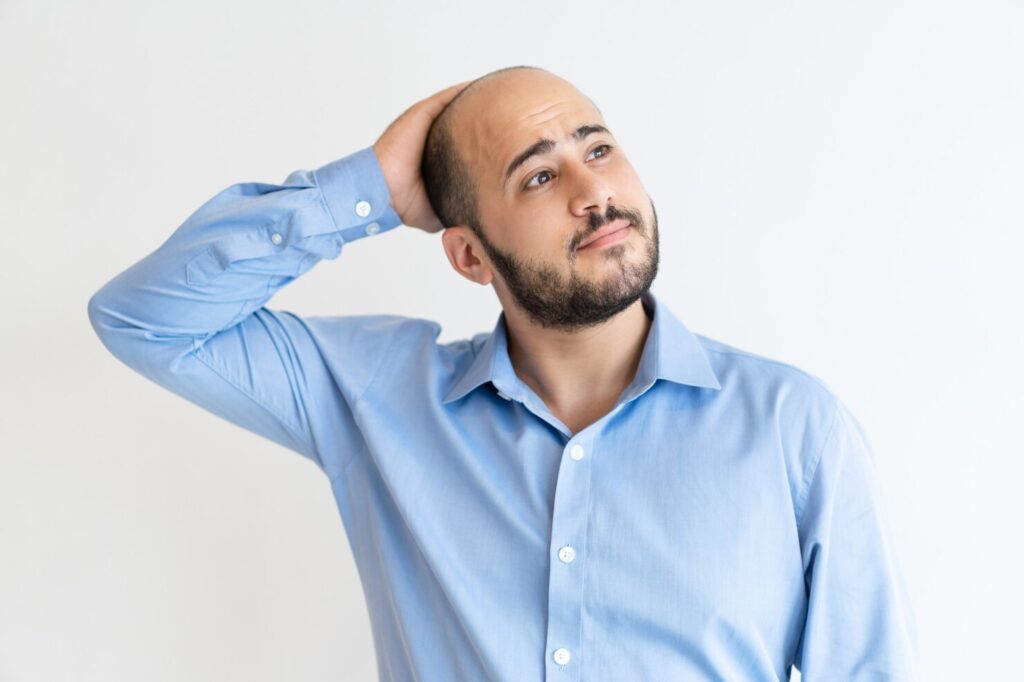
Hair loss is one of the most common concerns among both men and women in Bangalore today. With increasing stress levels, lifestyle changes, pollution exposure, and genetic factors, more patients are seeking medical consultation for thinning hair and baldness at an earlier age.
However, not all hair loss is the same — and not every patient needs surgery. As a plastic surgeon, the first step is always identifying the root cause before recommending medical or surgical treatment.
Understanding Hair Loss: It’s Not Just Cosmetic
Hair loss is often seen as a cosmetic issue, but in many cases, it is linked to hormonal, genetic, nutritional, or medical factors.
“Hair loss should never be treated as a one-size-fits-all condition. A detailed medical evaluation is essential before deciding whether a patient requires medical therapy, lifestyle correction, or hair transplant surgery,”
says Dr. Bharath S P, Senior Consultant – Plastic, Reconstructive, Maxillofacial and Cosmetic Surgery, Bangalore.
Common Causes of Hair Loss in Men
1. Male Pattern Baldness (Androgenetic Alopecia)
This is the most common cause of hair loss in men in Bangalore and worldwide.
- Caused by genetic sensitivity to DHT hormone
- Usually begins with a receding hairline or crown thinning
- Progressive if untreated
This condition may eventually require hair transplant surgery, depending on stage and donor hair availability.
2. Stress-Induced Hair Loss (Telogen Effluvium)
High-pressure jobs, lack of sleep, and chronic stress — common in urban cities like Bangalore — can trigger temporary hair shedding.
- Sudden increase in hair fall
- Usually reversible with proper management

3. Nutritional Deficiencies
Low iron, vitamin D deficiency, protein deficiency, and crash dieting can weaken hair roots.
Correction of deficiency often improves hair density significantly.
4. Medical Conditions & Medications
- Thyroid disorders
- Autoimmune conditions
- Post-illness hair shedding
- Certain medications
Medical management is crucial before considering cosmetic solutions.
Common Causes of Hair Loss in Women
Hair loss in women is often more emotionally distressing and can present differently than in men.
1. Female Pattern Hair Loss
- Diffuse thinning over the scalp
- Hairline usually preserved
- May worsen after menopause
Unlike men, women are not always ideal candidates for aggressive hairline lowering.
2. Hormonal Imbalance
- PCOS
- Thyroid disorders
- Postpartum hormonal changes
Hormonal correction is often the first line of treatment.
3. Post-Pregnancy Hair Loss
Temporary shedding occurs due to hormonal shifts after delivery. This usually resolves within months.
4. Excessive Chemical & Heat Styling
Frequent straightening, colouring, and chemical treatments can damage hair shafts and roots over time.
Environmental & Lifestyle Factors in Bangalore
Patients in Bangalore are increasingly exposed to:
- Air pollution
- Hard water
- High-stress corporate lifestyles
- Irregular sleep cycles
These factors may not directly cause baldness but can accelerate existing hair loss patterns.
When Is Hair Transplant the Right Option?
Hair transplant surgery is recommended when:
- Hair loss pattern is stable
- Donor area is adequate
- Medical causes are ruled out or controlled
- Patient expectations are realistic
Hair transplant is a redistribution procedure, not a cure for ongoing hair fall.
When Surgery Is NOT the First Step
Many patients consulting for hair transplant in Bangalore actually benefit from:
- Medical therapy
- PRP treatment
- Nutritional correction
- Hormonal stabilisation
A responsible plastic surgeon always evaluates non-surgical options first.

Why Proper Diagnosis Matters
Treating hair loss without identifying the cause can lead to:
- Poor surgical outcomes
- Continued thinning after transplant
- Unnatural density patterns
- Wasted donor hair
Hair restoration is a long-term strategy, not a quick cosmetic fix.
Final Thoughts
Hair loss in men and women has multiple causes — genetic, hormonal, environmental, and lifestyle-related. The right treatment depends on accurate diagnosis and individual planning.
When evaluated by a qualified plastic surgeon, patients receive a comprehensive, ethical, and medically sound hair restoration plan, whether surgical or non-surgical.
If you are experiencing hair loss, consult a certified plastic surgeon for a detailed scalp evaluation and personalised treatment plan.